
SovWare 2025: Slipping Numbers To Shared Success
-
- News & Update
- 16 mins read

By the time the calendar flipped to 2025, the world already felt… unsettled.
Headlines were heavier than usual with the topic from artificial intelligence to Zohran Mamdani. Politics, conflict, technology and climate are also good players. Among them AI was no longer just disrupting common products or jobs—it was rewriting entire industries. Companies that once looked unstoppable were downsizing, shutting down, or quietly disappearing. Even seasoned leaders across industries were asking uncomfortable questions about the future.
Nothing felt predictable anymore.
At SovWare, that uncertainty wasn’t just something we read about—it was something we felt (Luckily before AI create a bad impact)
But there is something more beyond AI.
Back in 2019, we were running on instinct and ambition. No dedicated marketing team. No complex playbooks. And yet, even in that state, we became profitable. It was raw momentum, built on focus and execution. Then came 2020. We started building our marketing team—and it worked! The numbers started to grow better than before. Profits climbed. Confidence followed. However, between 2022 and 2024, something subtle but important happened. While the team continued to grow in size and effort, the business did not grow at the same pace. For nearly three years, growth stayed almost flat. More people, more activity, more complexity, but roughly the same results. And in 2024, the imbalance became impossible to ignore. Expenses crept up while revenue quietly slipped backward. What once felt like steady ground started to feel shaky. The pressure didn’t just live in spreadsheets—it seeped into people. Morale took a hit. Some team members felt drained. As a result, 2024 ended with some bad numbers.
These numbers are not the kind you hide behind spreadsheets or explain away with excuses. A real one. The kind that forces you to sit still for a moment longer than you’d like. The kind that makes you rethink assumptions. The kind that asks, “Are we fixing the right things—or just staying busy?”
As the all the things grew bigger, one realization became impossible to ignore:
If we keep moving the same way, sustaining will be impossible.
That was when Mr. Masud Rana, CEO of SovWare, stepped back into active leadership with SovWare 2.0—not with big announcements or dramatic promises, but with a quiet, deliberate intent. The goal wasn’t to react faster. It wasn’t to ship more. It wasn’t to chase only trends.
The goal was to go back to the core and rebuild the team for growth with sustainability.
To understand what had drifted. To listen to what hadn’t been said. To fix what couldn’t be solved by alone. So instead of sprinting into 2025, SovWare slowed down.
A pause to reflect. A pause to listen. And a pause to rebuild.
And that is where our story truly begins.
So let’s take a breath. Maybe even grab a cup of coffee (with or without sugar). And walk through how SovWare found its way back on track— not only recovering from loss, but rebuilding confidence, positive culture among the employees and eventually achieving a satisfactory profit margin along the way.
SovWare 2.0: The Comeback Blueprint
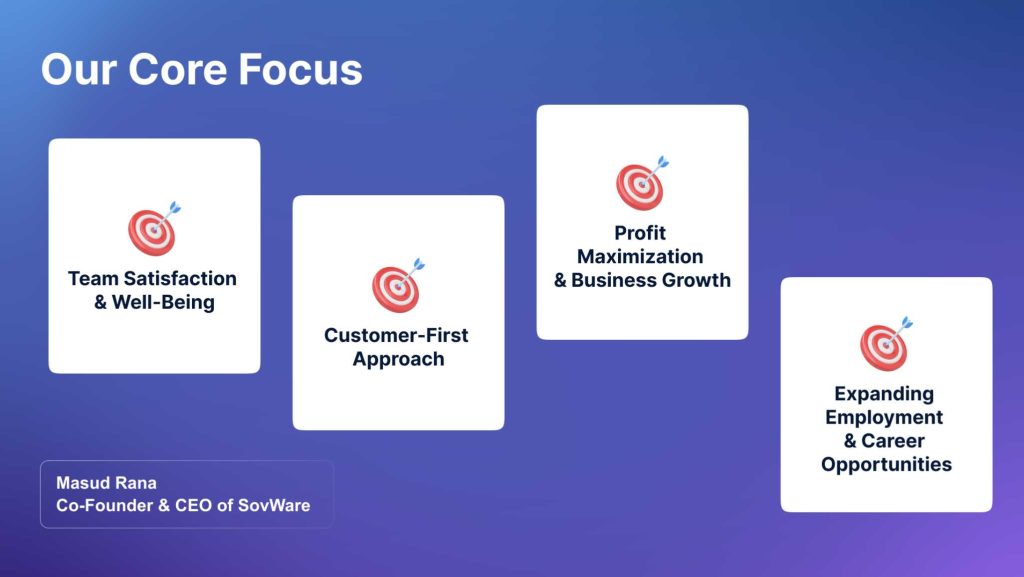
In short, SovWare 2.0 is the blueprint for converting the bad numbers into good numbers.
It’s a deliberate recovery and growth strategy developed by Mr. Masud Rana, CEO of SovWare, to solve two connected challenges: the critical problems of 2024 that causes stalled growth, rising costs, and team fatigue, and the longer period of limited growth from 2022 to 2024 despite a growing team. The mission was clear: recover SovWare from the setbacks of 2024, fix the underlying growth stagnation, and realign the entire team to move forward together for customer happiness.
SovWare 2.0 wasn’t about quick fixes or louder execution. It was about rebuilding the foundation before pushing for speed.
Core Focuses of SovWare 2.0 (and How They Worked)
- Culture Repair and Alignment: One of the primary goals of SovWare 2.0 was to repair the culture that had weakened. The focus was on restoring alignment, trust, ownership, clear communication, and reducing the growing negativity across the team, ensuring everyone was moving in the same direction again.
- Customer-Centric Direction: Every product decision and operational change returned to a single question: Does this genuinely help our users? This approach reshaped how features were prioritized, how products evolved, and how success was measured. Customer value became the anchor for decision-making.
- Sustainable Profitability: Maximizing profit was a clear objective of SovWare 2.0, but not at the cost of culture or customer trust. The emphasis was on sustainable profitability—controlling costs, improving efficiency, and ensuring growth translated into real financial health. Profit became the outcome of consistent, disciplined execution and was later shared across the organization.
SovWare 2.0 worked because it wasn’t treated as a slogan—it was practiced daily, month by month, decision by decision. Let’s explore how we followed the core focuses of SovWare 2.0 and achieved our goal.
Fixing the Core Before Fixing the Company
In SovWare, 2025 didn’t begin with goals. It began with questions.
After a difficult end to 2024, SovWare stepped in 2025 with a quiet understanding: if we rushed into execution again, we’d repeat the same mistakes—just faster.
So instead of asking “What should we build?”leadership asked something far more uncomfortable: “How are our people actually doing?”
Because numbers don’t break first. People do. So we planned for a different kind of beginning. We gathered everyone together—not for a performance review, not for targets, not for deadlines—but for a real session called “Managerial Lessons”.
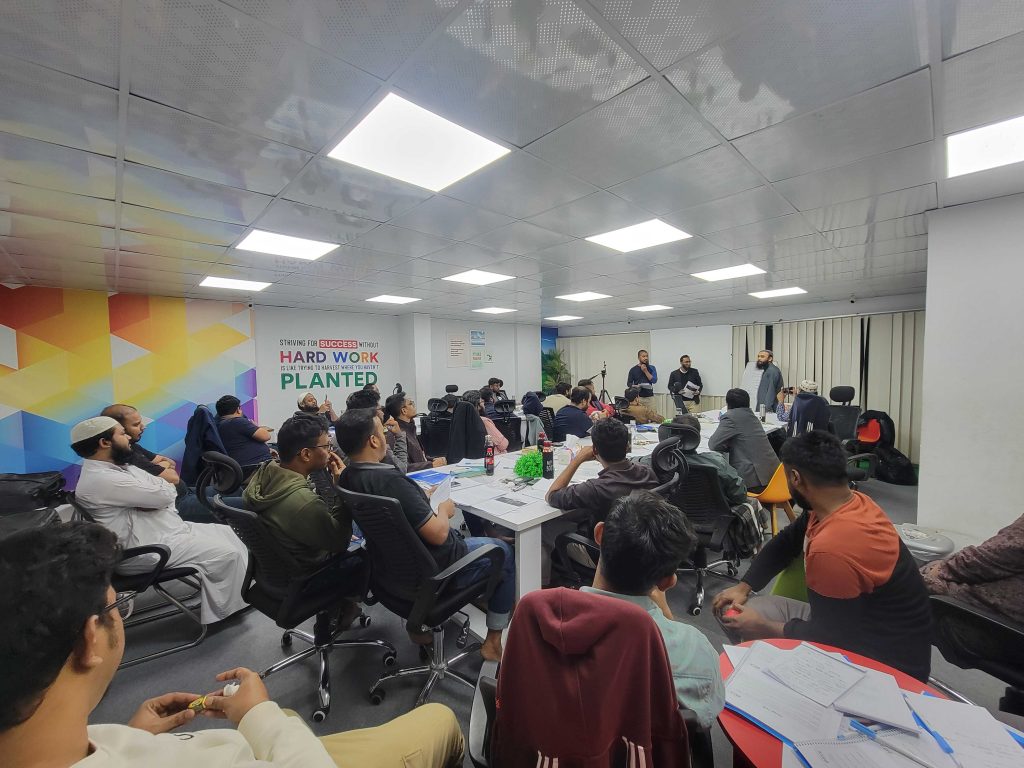
The focus was to build the core of employees to work together by managing obstacles we face in achieving our goal. Some keynotes of session are:
- What actually makes a team?
- Why do teams fail—even when everyone is talented?
- How do pressure, workload, and silence quietly damage collaboration?
- What happens when expectations aren’t clearly spoken?
- How do you disagree without breaking trust?
- And most importantly—how do you listen when you don’t immediately agree?
For many, this session felt different and it became clear that the problem SovWare faced wasn’t effort. It was an alignment among the team members. People were working hard—but often in different directions. This session helped the employees to find out the real problem and move onward.
Making Work Measurable, Not Miserable
One realization came up repeatedly: If we can’t measure work properly, we can’t improve it fairly.
So SovWare introduced in-house built tracking system Nuhud—not as a surveillance tool, but as a way to bring clarity in tasks, progress, evaluation so that everything is visible, structured, and understandable.
At the same time, the company introduced a disciplinary handbook that will help as a guide for an employee on what to do and not to do.
In January, The team made another collaboration at the Town Hall Meeting. It was all about alignment. Team Leaders share their plan. Team members share their feedback. Expectations were fixed together. There were no promises of overnight success but a plan for sustainability.
The main theme: If we fix the way we work, results will follow.
By the end of January, nothing dramatic had happened on the surface. No product launch. No revenue spike. No headlines. But something far more important had shifted underneath.
January didn’t fix the company. But it fixed the direction of our goal that we want to achieve in 2025.
Recharging the Team, Not Just the Business
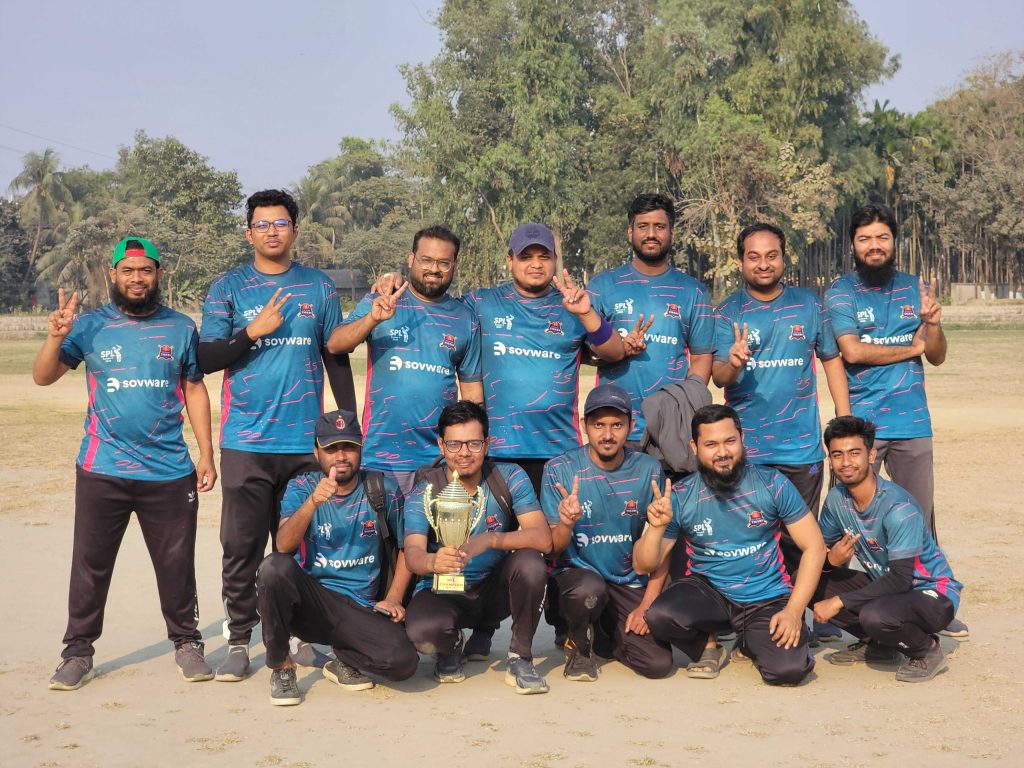
In 2025, we have many pressures on our shoulders but that’s not mean that we have to sacrifice everything for it. At SovWare, we believe in a healthier culture. So besides work we stepped outside our usual workspaces and into the open field for SovWare Premier League (SPL). The cricket match is not just a game. It reminded us of something simple yet powerful—people perform better when they feel connected, not cornered. That reconnection soon showed signs of life beyond the field.
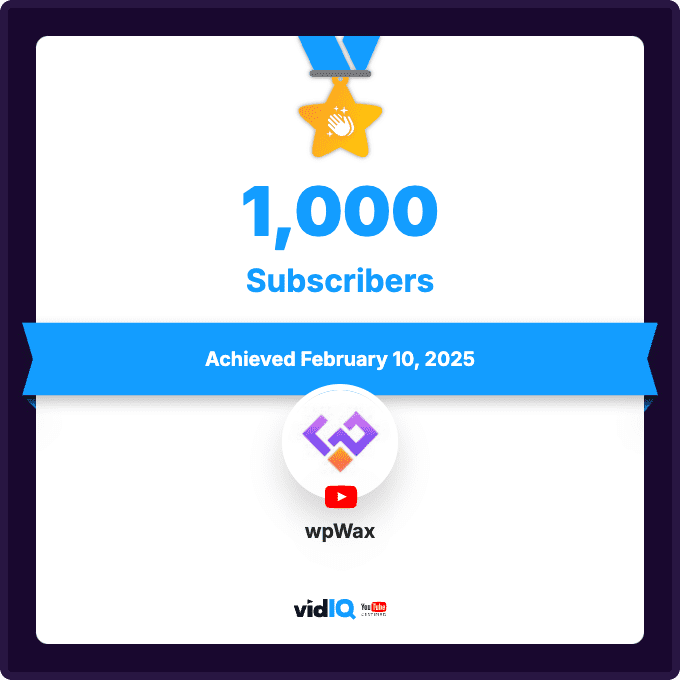
We’ve got another good news, we crossed 1,000 YouTube subscribers. It wasn’t a revenue milestone. It wasn’t a product launch. But it mattered deeply. It was proof that our content was helping real people.
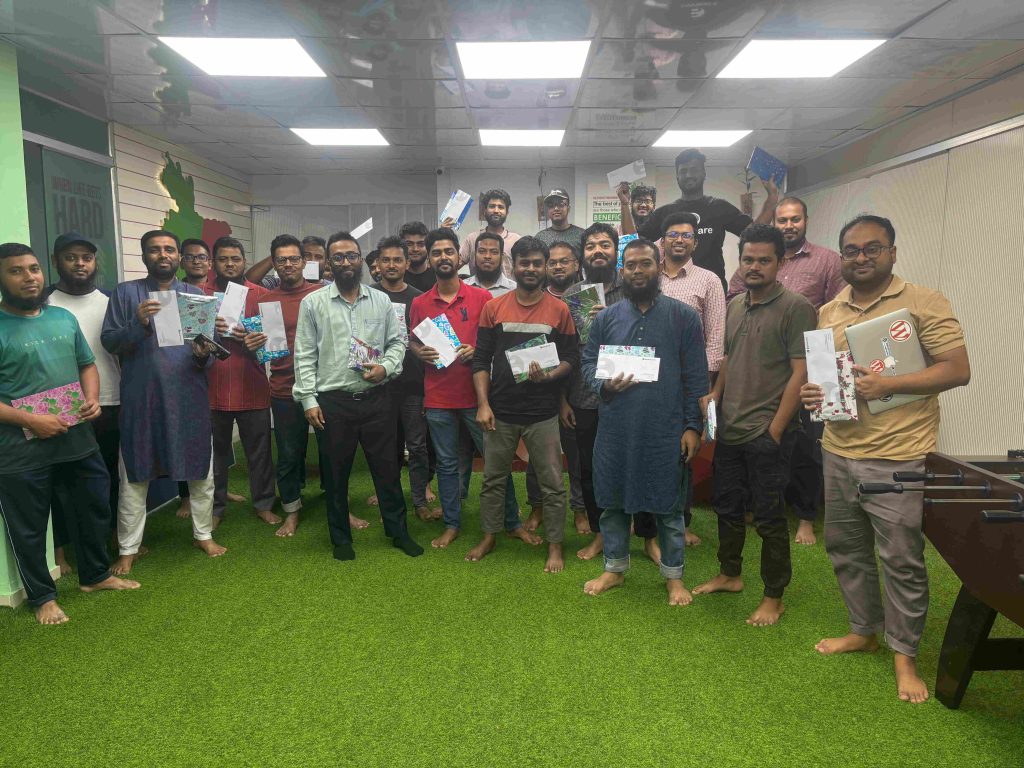
Also, as we focused on employee growth—we partnered with Wafilife to encourage book reading among team members.
To maintain the maximum productivity, we held an internal training session on “Power of Prioritization, Task Breakdown & Estimation.”
SovWare didn’t stop caring for employees in 2025. Our in-house food program continued until we began in 2022. Also, to make our employees’ lifestyle more healthier and easier, we partnered with The Sunnah Store and NOGOR. These partnerships helped our employees to source healthier food and lifestyle stuff easily. And as Ramadan approached, we made sure compassion stayed front and center—maximum Eid bonuses, Ramadan tokens, and thoughtful gestures.
By the end of February and March, something important had changed. The organization was more organized to begin the real momentum.
Signs of Momentum
To us, April didn’t arrive with APRIL FOOL. It arrived with proof.
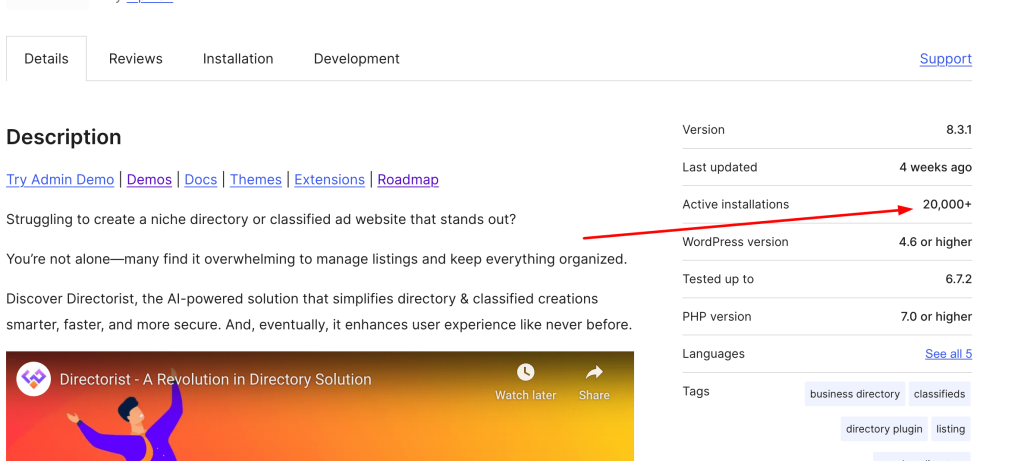
In April, Directorist crossed 20,000 active installations. The most number on WordPress directory website builder plugin category. This success hasn’t come with any shortcuts. Just steady trust built over time. For the team, this wasn’t just a number—it was validation. A signal that the rebuilding wasn’t in paper anymore. It was working.
The growth hadn’t pushed us to keep culture aside. We arranged a Football Tournament that brought everyone together again. The message of our culture was subtle but powerful: we don’t win by burning people out—we win by moving together. Our conversations sounded more confident, not confusing.
April didn’t mark the finish line. But it made one thing clear: Momentum had returned—and this time, it was built on stronger ground.
Leadership Evolution & Product Direction
By May, the change was no longer limited to morale or metrics. It showed up in how leadership worked—and how ownership spread.
The promotion of Md. Yousuf Hossain to COO created a meaningful shift. It wasn’t just a title change. It was a signal of leadership maturity. Decisions are getting more précised and meaningful. With proper leadership comes proper execution. By the time, ownership had stopped being a role. It has become a culture in SovWare among every employee.
As our pre-plan, we didn’t rush to release random versions. Rather than, we released the Directorist Universal Search extension that helps users to find the exact listing from multiple directory websites. For product development, we make each decision that creates long-term stability for the customers, not short-term noise and the focus shifts from doing more to doing what matters.
Growth Thinking, Not Growth Panic
By the mid of the year, we played a friendly football match against Nurency Digital Agency to maintain the strong bonding beyond business.
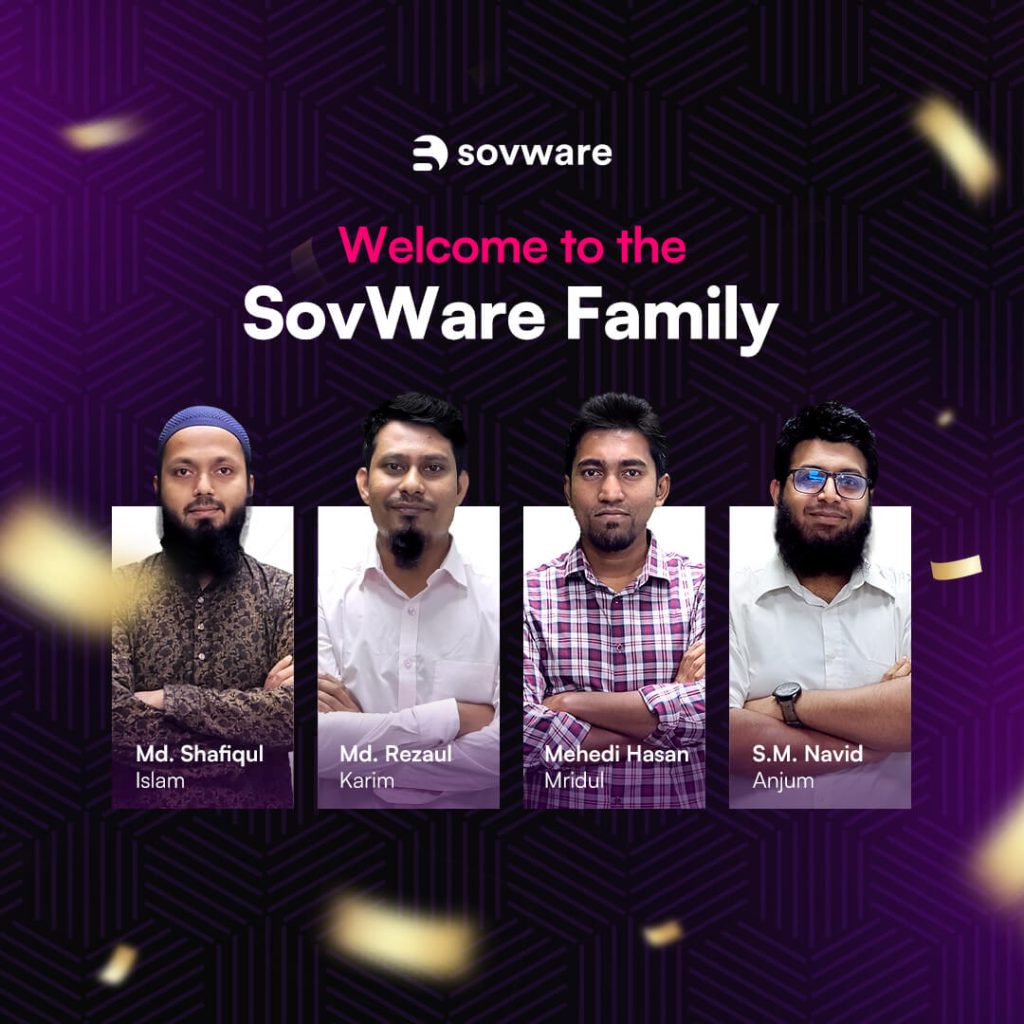
By that time, we also welcomed some new team members. Fresh faces. New questions. Lots of curiosity. Instead of forcing them into urgency, we focused on alignment—helping them understand why we do things before asking them to move forward.
Inside the organization, learning took center stage again. An internal presentation on “Growth Hacking” reframed how we thought about generating maximum output with minimum resources.
Later in the month, a Town Hall Meeting brought everyone into the same room for reviewing progress of our work. We re-aligned priorities openly and organized everything for the coming days.
FormGent Takes Shape
From the beginning, SovWare works with the motto “Aim to make technology way better and empower your business by providing top notch products”. This motto pushed us to develop a new product called “FormGent“.
You may say there was no shortage of WordPress form builders. In fact, there were plenty. But for many users, the experience was frustratingly familiar—easy to start, painful to scale. Features like conversational forms, payment gateways or common integrations that should have been free felt locked away behind premium paywalls. Integrations, automation, flexibility—each upgrade came with another barrier of extra money.
We saw a big audience looking for something simpler. An easy-to-use form builder that didn’t feel restrictive. Multi-functional, yet approachable. Powerful, without punishing growth.
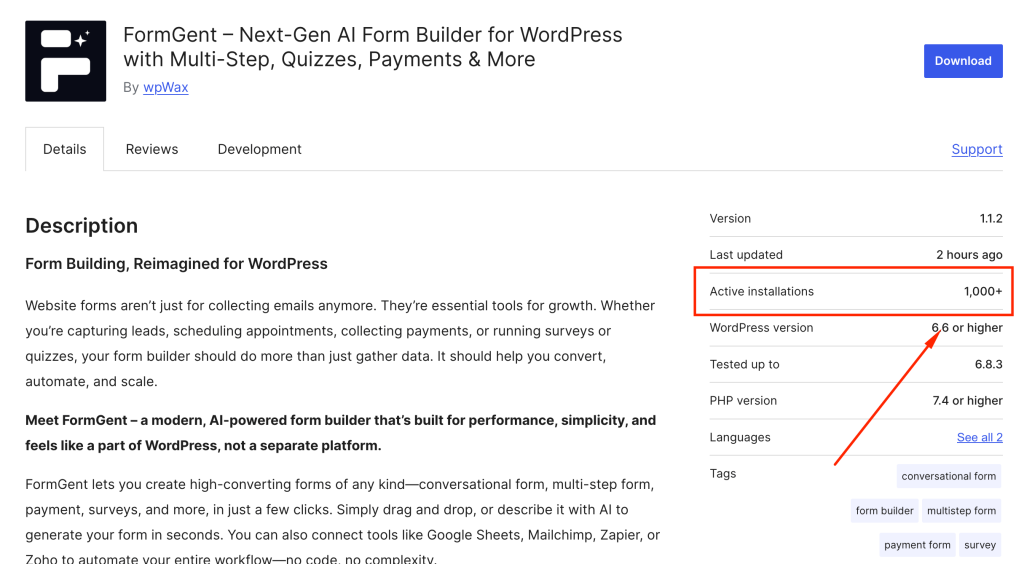
That gap is where FormGent began to take real shape. No hype. No shortcuts. Just execution—guided by what users actually needed. In just three months, FormGent crossed 1,000+ installations, earning 5-star reviews along the way. The response numbers proved that the user got the product that they actually wanted.
Smarter Work and AI Adoption Meets Culture
By this time, we had learned a valuable lesson: sustainable growth doesn’t come from working harder—it comes from working smarter, while taking care of the people doing the work.
To work smarter, a strong foundation is a must. That’s why SovWare took steps to sharpen core skills of employees by organizing a WordPress Quiz Test.
Besides learning, care extended beyond the workplace too. Through a partnership with Ibn Sina Hospital, we arranged health checkups and medical facilities for team members and their dependents.
And yes—this is the time to answer the burning question that was spinning all around in your head—Do they skip AI in a moment like this?
We didn’t skip it. We planned for it to get its full potential.
Instead of chasing AI buzzwords, we chose practicality. Multiple internal sessions focused on real, day-to-day AI usage—how AI could reduce repetitive work, improve clarity, and support better decision-making. AI wasn’t positioned as magic or a threat. It became a tool to amplify human effort.
Every team member was encouraged—and expected—to use AI thoughtfully. The goal was to maximize output while maintaining quality.
That mindset didn’t stop at internal workflows. It naturally flowed into our products.
This is where we planned about Directorist AI.
Rather than positioning AI as a replacement for user control, the vision is to build it as an assistant—one that could guide, simplify, and accelerate the directory-building process. The focus is especially on users who often feel overwhelmed by setup complexity and configuration decisions.
With Directorist AI, users will be able to generate directory structures more quickly, receive intelligent suggestions during setup, and move from idea to execution without losing flexibility or control. The aim is not to automate everything—but to remove confusion and friction.
This isn’t AI built for trends or buzz but with a clear purpose—to make building with Directorist easier, smarter, and more approachable, while preserving the control users value most.
At the same time, FormGent embraced an AI-first way to build forms.
We believed form creation shouldn’t feel complex or time-consuming. With FormGent, users can generate complete forms from a single prompt—something as simple as “Create a contact form with name, email, and message.” From there, AI intelligently selects fields, structures the flow, and provides a solid foundation that users can refine using drag-and-drop controls.
The result was faster creation for beginners and full control for advanced users.
AI didn’t replace thinking. It removed friction. It didn’t harm us—rather, it helped us boost productivity. And that’s when we knew we were using it the right way.
Community Recognition
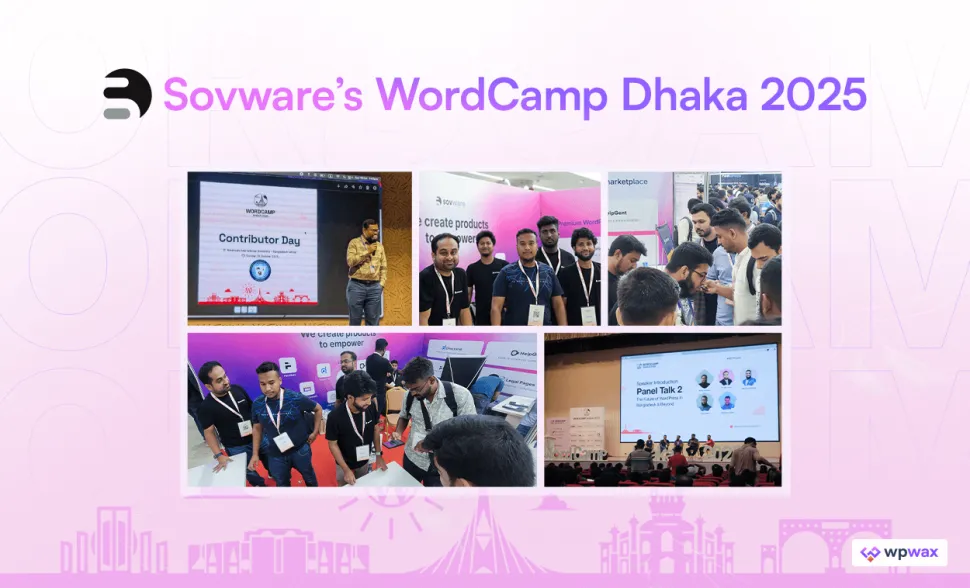
After months of rebuilding quietly and deliberately, the wider community began to notice. SovWare stepped in as a Platinum (Lalbagh Legacy) Sponsor at WordCamp Dhaka 2025. It wasn’t about visibility alone—it was a signal that SovWare was once again trusted, present, and contributing to the future of WordPress.
That trust showed up in the products too. We released an extension “Directorist Advanced Review” that helps users to give very detailed reviews. The update reflected everything we had learned throughout the year—clarity over complexity, depth over rush. It wasn’t built to impress quickly, but to serve reliably. From uncertainty to confidence. From rebuilding to credibility. And this time, the foundation was strong enough to last.
Giving Back While Growing
As the year progressed and stability returned, SovWare stayed mindful that success isn’t just about products, releases, or campaigns—it’s also about doing something for humanity that creates beyond our screens.
One small but meaningful step was the donation of a rickshaw to support a livelihood. It wasn’t charity for the sake of visibility. It was dignity through opportunity—helping someone earn sustainably and independently.
The month also carried business momentum. Our BFCM campaign went live, built on months of careful product decisions rather than rushed discounts. Beside these activities, we released another new extension “Directorist Analytics“, giving users clearer insights into performance and behavior—another step toward smarter decision-making for site owners.
But by the time nature intervened us.
Following an earthquake, safety became the only priority. We immediately shifted to Work From Home, reinforcing a culture where people always come before processes.
Beyond these moments, SovWare quietly continued its commitment to giving back throughout 2025:
- Supporting medical treatments and surgeries for individuals in need
- Providing livelihood support, including rickshaws and sewing machines
- Offering flexible loans for education, healthcare, and emergencies
- Covering house repair costs for vulnerable families
- Contributing to education through direct financial support
They reflected a belief we’ve grown into—growth isn’t measured only by numbers on a chart, but also by the positive responsibility to help humans in hard times.
Annual Retreat, AGM, Profit Sharing and Reflection
After everything 2025 had carried like pressure, rebuilding, uncertainty, even natural disruption. Apart from all of these, we knew one thing mattered most: pause before progress. December began with an early annual retreat in Sylhet, designed not for strategy decks or KPIs, but for recovery. After the earthquake, the team needed space to breathe, reset, and regain emotional balance.
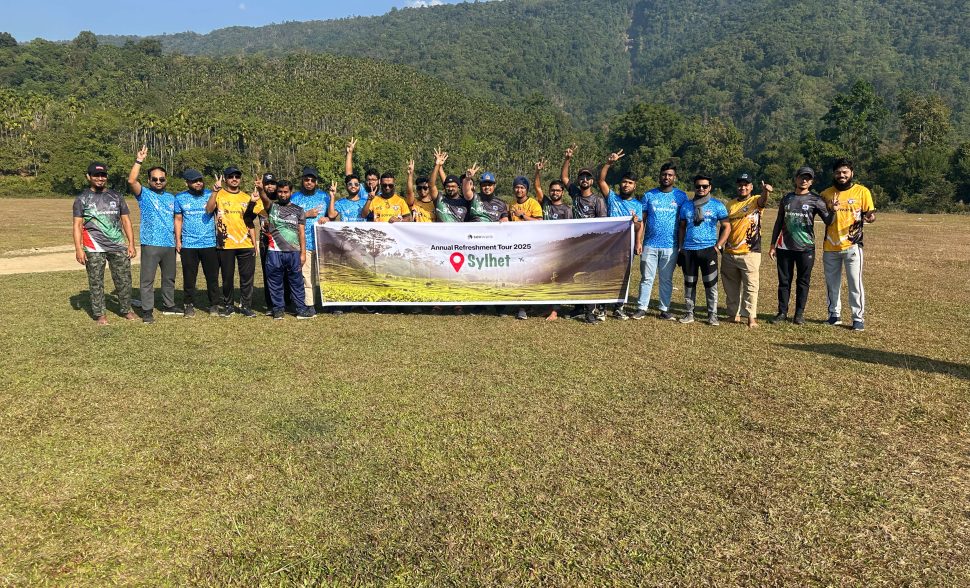
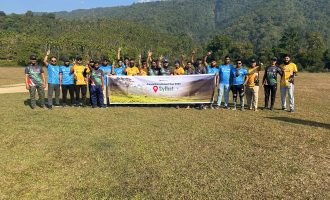
We also arranged the SPL inauguration at “Viral” Noljury Cricket Club ground, located near the Bangladesh–India border, surrounded by open landscapes. The cheers, the movement, the shared excitement From survival mode to celebration, together.
After a successful retreat, SovWare arranged one of the most meaningful milestones of 2025 —SovWare’s Annual General Meeting (AGM).
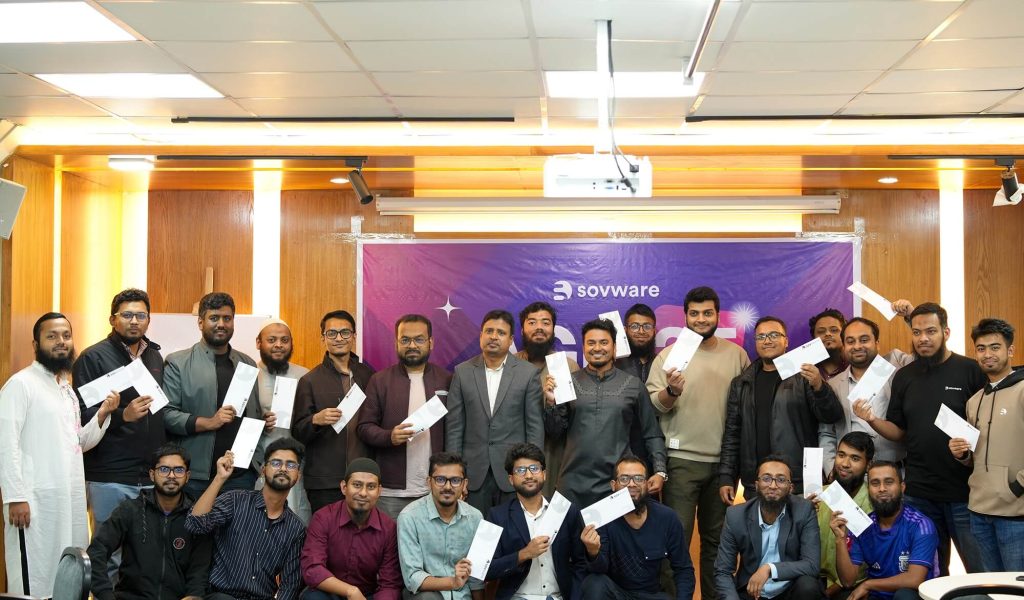
For the first time in SovWare’s history, team members received a profit share, reflecting the company’s belief in shared ownership and collective success. This initiative reinforced trust, motivation, and long-term commitment across the organization.
During the AGM:
- Team leads shared honest insights from their respective departments
- Challenges, lessons, and wins from 2025 were openly discussed
- Leadership presented a clear direction and priorities for 2026
The AGM was not just a review—it was a moment of alignment. It strengthened transparency, encouraged open dialogue, and ensured that everyone moved into 2026 with a shared understanding of goals and responsibilities.
What We Slowed Down for Better Execution
Every team enters a year with goals they want to achieve. But being human also means recognizing limits—of time, context, and readiness.
In 2025, in some conditions, we didn’t move as fast as planned. And that wasn’t always a failure. In many cases, it was a strategy. To stay aligned with the mission and vision of SovWare 2.0, we deliberately held back on certain initiatives—choosing better execution over faster delivery.
Sometimes, progress means knowing when not to ship.
Let’s take a closer look at what we paused, why we paused it, and how those decisions helped us protect long-term quality and direction.
Here are some few releases in 2025 that were delayed for better development.
- Directorist AI Builder
- Divi integration
- HelpGent
The Directorist AI Builder was postponed by design. We can do a quick release but the goal isn’t to add AI for the sake of trend adoption—it’s to deliver something that genuinely changes how directories are built. That requires time, iteration, and depth.
The Divi integration faced a different challenge. With Divi 5 is about to be released, building for Divi 4 would have created immediate legacy issues, followed by costly rework and migrations. Rather than creating short-term wins and long-term pain, the decision was to wait—and do it right once.
HelpGent took longer because assumptions weren’t enough. The team realized deeper market research and UX exploration were necessary to ensure the product solves real problems—not imagined ones. That process couldn’t be rushed.
Some Marketing Activities That Pushed Us to Move Forward
- 80+ articles published for Directorist
- 50+ articles published for wpWax
- 30+ articles published for FormGent
- Launched FormGent exclusive deal on Earlybird for quick traction
- Collaboration with many well-known WordPress companies including DotCamp, WPXPO, Bit Apps, WPexperts, Barn2 plugins, Elegant Themes, ThemeXpert
- Worked with YouTube Creators for various products – WP Eagle, SaaS Master, WP Simple Hacks, David Ibiza
- Cross-promotion with WPFunnels (Creator LMS), LinkBoss
- We started creating Studio-quality tutorials and explainers focusing on real-world use case and values
- Enhanced performance marketing and conversion rate optimization
- Revamped entire documentation of Directorist and build FormGent documentation from scratch
- Launched our deals on InfluenceWP, published our updates on The WP Weekly & Ahoi.dev Newsletter
- We Enhanced our Client Showcase via Website, Social Media and Articles
- Incorporated onboarding email assistance containing valuable resources to help get started smoothly.
Looking Ahead to 2026
By the time 2025 came to an end, it had clarified an important direction: impact over volume.
This year didn’t teach us how to grow faster. It taught us how to grow better.
We learned that stability compounds over time—that quiet improvements often create the strongest momentum. We learned that trust can only be rebuilt through consistency and honesty. And perhaps most importantly, we learned that doing fewer things well creates more impact than doing many things halfway.
Those lessons now shape how we look toward 2026.
The year ahead won’t be about just expanding the product lineup or chasing volume. Instead, our focus will be deliberate and clear:
- Deep, meaningful improvements to Directorist for customer success
- Continued growth and refinement of FormGent
- A more mature and feature-complete release of HelpGent
- Smarter, more useful AI integration across every product
- KPI based evaluation with systematic process.
We will invest our time and task where it matters most—making our existing products more stable, more useful, and more impactful for the people who rely on them every day.
To our customers and community—thank you for trusting us, questioning us, and growing with us.
We are also grateful to our teammates—who stayed focused during difficult moments, embraced change, took ownership, and showed patience when the work was hard—thank you. Your effort, resilience, and belief shaped everything 2025 became.
So this is the end of SovWare 2025. But every end starts with a new beginning.
Stay tuned and let’s see what happens in 2026!

Leave a Reply